English
 Arabic
 Russian
 French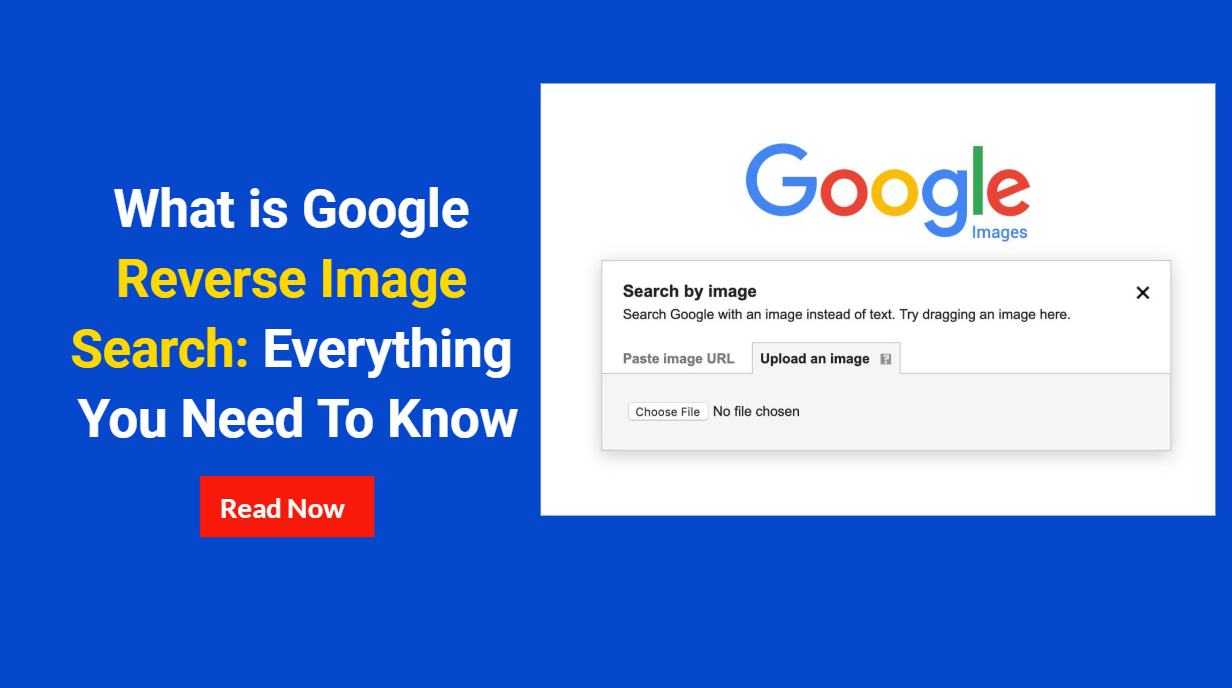
In today’s digital scenario, visuals are the most important part of online communication, branding, or even storytelling. Most of the content is successful through interactive images, videos, or icons because these are eye-catching and visually appealing to users making their minds more interesting and exciting. With millions of pictures or photos available on the internet, it becomes difficult to check the source, origin, or application of the image that one finds.
Thanks to these most reputable or highly valuable tools in the market, the brilliant tool is Google Reverse Image Search. This tool helps users or individuals to perfectly identify, analyze, and contextualize images that have become dominant. These tools transform, and make work easier or even faster.
Enter Google reverse Image search, an unparalleled feature that allows users to search using an image instead of text. This tool works best for you, ensuring if you want to trace the source of an image, recognize objects, or look for visually similar pictures, everything you need!
In this blog post, you not only learn about the whole information on Google Reverse Image search, but also how it works, its practical applications, and what are the impactful ways to make this revolutionary platform work for you.
Do you know what Google Reverse Image Search is?
Google Reverse Image Search is a web-based service of Google Images under which users can either search for an image or find similar images searched on the internet. Reverse Image Search as an application is on the contrary closest in structure to search by image since it determines the origin or use of an image by inputting the actual picture or its link. Google’s algorithms then work to understand the picture, generate a sort of unique signature of the picture as well as look for other pictures like it or sources of the picture.
This tool was introduced in 2011 as a part of Google's ongoing innovations, the features have become a requisite tool for photographers, marketers, researchers, and general users. This tool is a combination of advanced image recognition technology and machine learning ensuring users receive precise and comprehensive results.
How does Google Reverse Image Search work?
Now, discussing the works or responsibilities of Google Reverse image search. This tool operates on complex algorithms rooted in machine learning and artificial intelligence to provide accurate outcomes. When an individual uploads an image or inputs its link/URL, Google’s algorithms start by evaluating the visual textures. Now, the tool searches through Google’s vast database of billions of indexed photos to find matches or visually similar content. The algorithm matches the published images against this repository to identify similarities or perfect matches.
After all, once the potential matches are finally shown, Google retrieves a range of contextual data, including visually similar images, web pages where the image occurs, or related metadata like size, format, or origin. Lastly, the outcomes are presented in a user-friendly format, often requiring suggestions to refine the search or explore more related content.
Applications of Google Reverse Image Search
1. Identifying the origin of an image
One of the most crucial applications of Google Reverse Image Search is to identify the official source of an image. This is commonly beneficial for journalists, bloggers, and content creators as well. This is good for those who want to credit the rightful owner or confirm authenticity.
2.Navigating best quality versions
Secondly, if you uploaded a less-resolution image but want a clever version, this tool is a perfect find for you. This tool locates higher-quality alternatives and gives you customized results. This is specifically designed for designers or marketers.
3.Detecting copyright infringement
Third, especially for photographers and artists, google reverse image search track images where their content is being used online without permission. By monitoring unauthorized applications, they can take necessary action to safeguard their intellectual property rights.
4. Shopping and price comparison
Fourth, Google reverse Image Search also offers handy shopping assistant features. Once uploading a photo gives users to discover where the item is sold, check prices, or explore comparable options.
5. Evaluating image authentication and debunking fake news
In the era of fake news, images are often misused or taken out of context. Especially for journalists and fact-checkers can optimize this tool to monitor the authenticity and source of images used in news stories or social media posts.
6. Seeking creative and exciting visual inspiration
Last but not the least, this application is especially dedicated for artists and designers. They can use Google reverse image search to find the same visuals, explore exciting trends, or discover complementary and unique designs for inspiration.
Key benefits of Google Reverse Image search
Google Reverse Image Search has numerous benefits, including:
1. Intuitive and user-friendly interfaces
This tool has an intuitive feature and user-friendly interface, ensuring no technical knowledge or advanced experiences are required to optimize.
2. Wide accessibility and free
With their wide accessibility advantage, the tool is free for users or official persons with a proper internet connection.
3. Gives accurate results
While evaluating this tool, rather than manually searching websites, this tool allows users to accurately grab diverse results compared to other platforms available on the internet.
4. Quickly navigate in one upload.
And the most important benefit of Google Reverse Image is users can instantly navigate the actual information they need with a single upload.
5. Best for both Android and ios
By evaluating Google's reverse image it has a straightforward interface and can be beneficial for both Android and iOS users.
6. Gives actual information compared to other platforms
This tool is useful especially if you happen to find an image on the internet but you are not sure whether it was created from scratch or downloaded from somewhere else.
7. Track brand usage and protect businesses
Businesses can use reverse image search to monitor their brand, a specific product, or a service that a business entity offers. This assists them in tracking their image, especially if there is any abuse in the manner the images are being used.
8. Learn and enhance research
Reverse image search is a useful tool for students, researchers, and other users. It facilitates users to fetch images associated with a certain topic of their interest and can be served in a work.
9. Accurately designed and gives reliable results
People can use reverse image search in two ways: when they cannot find what they are looking for through normal keyword search or when they wish to include image data alongside data-based search for more reliable results.
Common limitations of Google Reverse Image search
While immensely powerful, Google Reverse Image search does have its common limitations as well, including:
1. Limited image search
Unfortunately, Google Reverse Image Search only works best with images and might not receive results from text or a video.
2. Quality of search results
The achievement of the uploaded image and the result depend on the high resolutions and the particular image used in the search. Whether to the result or not, the image quality may be compressed, sometimes it’s blurry, or cropped to a fault, so that it is not as precise nor even.
3. Copyright and legal issues
Google does have precautions that it takes to avoid violating the copyright laws nevertheless one may end up using images in a wrong way that is against copyright. Furthermore, the Results of Reverse Image Search may not feature images that have passive licenses or permissions.
4. Limited search depth
Google reverse image search only provides associated links to the original sites containing the images but it doesn’t index the other sites or the relevant contents on the returned sites.
5. Misleading or manipulated images
Some images may be doctored, trimmed, or altered in a way that will mislead the search engine in an effort to get a different result.
6. Speed and server issues
Specifically, the speed of a search can be responsive to complications with the server, a high volume of search, or even a slow internet connection.
7. Lack of user feedback
The feedback on the quality or relevance of the searches themselves can be given somehow in each of these tools, but the tool is not optimized for this, which can help in improving the given search engine over time.
8. Limited user control
Image search is the type of search in which results are predetermined by the program of Google Reverse Image Search and such results can hardly correspond to the requests.
Conclusion
Google Reverse Image Search is indeed the new cutting-edge tool for any online research work; proving the authenticity of any imagery material, combating online piracy, and ensuring Reverse Image Search is an effective part of identifying visual content. Thus, with the use of this tool, one can find the background of the image, find more similar images, and check the source of images before sharing them. Whether you’re a professional photographer, a journalist evaluating facts, or a shopper hunting for deals, Google Reverse Image Search comes up with a set of possibilities and opportunities. Embrace this Google innovation to connect with effective results, learn digital experiences, and reveal the stories behind the pictures.
Google Reverse Image Search is an amazing tool, which allows you to find out where images came from, or search other similar images. This can also be very beneficial for checking out questionable pictures, navigating pictures with comparable platforms, or even tracing them. Google Reverse Image Search is very pivotal as users can obtain relevant or factual information just by uploading an image with a single click.