English
 Arabic
 Russian
 French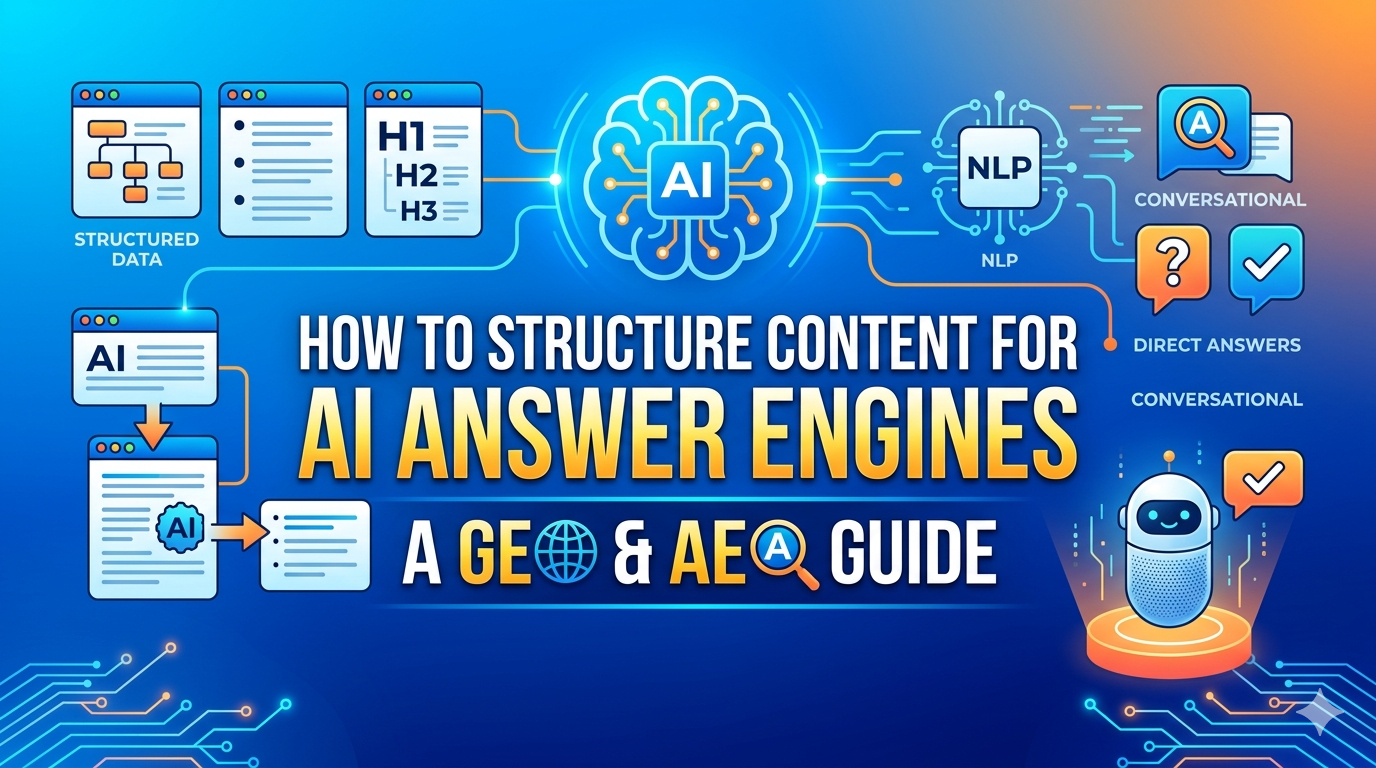
Introduction
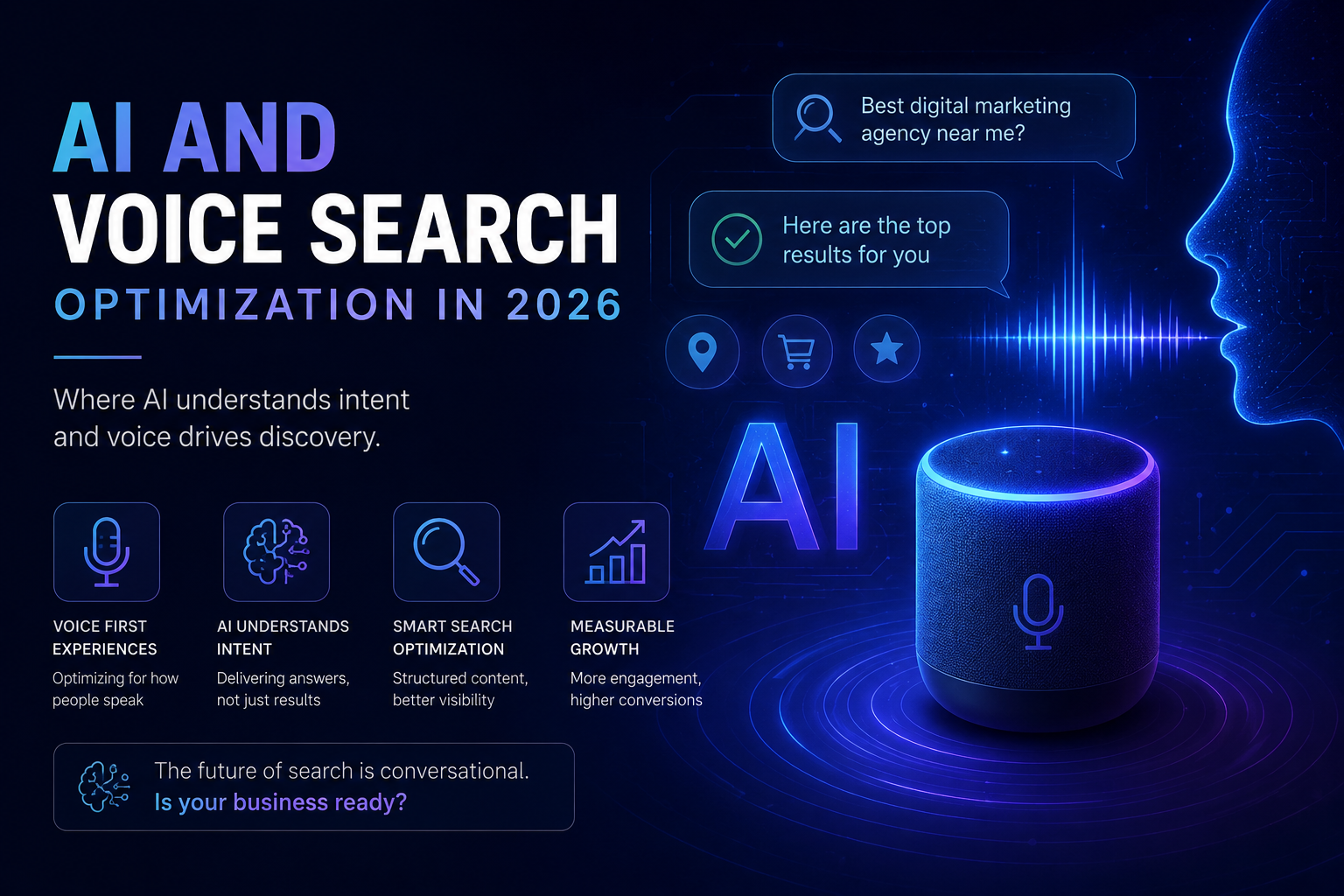
Search is evolving. AI-driven answer engines such as ChatGPT, the AI Overviews feature of Google, and voice assistants are becoming the new reality of traditional SEO, which is no longer the sole game in town. Users no longer want to scroll through links; they want the answers.
This has spawned The Answer Engine Optimization (AEO) and Generative Engine Optimization (GEO) two essential tactics that a brand intending to remain visible in an AI-first world should adopt.
In this guide, Digital Arabia dissects the system of structuring your content in order to have the AI systems digest it and present it in the form of authoritative answers in an easy manner.
What Are AEO and GEO?
Answer Engine Optimization (AEO)
AEO aims to maximize content to present itself in search results as direct answers- consider featured snippets, voice search answers, and FAQ results.
Generative Engine Optimization (GEO)
GEO goes a step further. It is a way of making sure that your content is organized in such a manner that it is comprehensible to AI models to interpret, synthesize, and cite in the process of generating responses.
The Importance of Content Organization to AI
AI systems do not read as humans do (they are unable to interpret unstructured data) but rather analyze, part, and organize structured data. In case your material is disorganized or vague, it is less probable to be chosen as a reliable solution.
Well-structured content:
Enhances readability in machines.
Bigger probabilities of being mentioned in AI responses.
Enhances user experience
Builds authority and trust
The Essentials of AI-Friendly Content
1. Start with Clear Intent
Each content must be constructed to have a given user purpose John, problem or need. The AI engines focus on content that answers the intent directly by not compelling users to root around to find answers.
Define: If it is not specific or descriptive, write it down.
What is the specific question you are answering?
What is the expected result of the user?
Best practice:
Apply intent based formats such as:
What is AEO and how does it operate?
What is the best way to make content AI searchable?
Why is structured content relevant to SEO?
The more obvious the intent, the better you will have a chance of having your text as a direct answer.
2. Employ the Inverted Pyramid Structure
The inverted pyramid model makes sure that the most significant information should be placed first and then details supporting it follow afterwards.
AI engines will tend to find only the best part of your writing, therefore, your introductory content must be valuable in the first instance.
Structure:
Direct answer (12 sentences): Unambiguous, independent answer.
Supporting explanation: Provides context and clarity.
Additional information: Case studies, knowledge or further elaboration.
Example:
AEO (Answer Engine Optimization) refers to the arrangement of the content in a way that allows it to seem like an answer to the search engine and AI programs. It is aimed at clearness, conciseness, and purpose congruence.
This format is snippet and AI-friendly.
3. Divide Content into Rational Segments
Both the user and the AI system find it hard to process large blocks of text. Division of the content into very clear sections enhances readability as well as machine comprehension.
Use:
Hierarchical headings (H1, H2, H3)
Short paragraphs (2–4 lines)
Lists of bullet points and numbers.
This forms pieces of content, and AI models can scan, interpret and extract them easily. You can think of each section as a mini-answer to a subtopic.
4. Add Question-Based Headings
Question-based searches are closely associated with AI engines used in voice search and conversational AI.
It helps to transform headings into questions:
Match real search behavior
Enhance opportunities of appearing in featured snippets.
Get more interactive and engaging content.
Examples:
What is AEO?
What is GEO doing to enhance AI visibility?
What is the significance of structured content?
AI will be better at retrieving your answer when a heading is also a reflection of what the user is searching.
5. Give Short, Strauss answering
Provide a clear, self-contained answer, which can be taken on its own, after each question.
Do not be long and indirect in providing explanations. AI prefers:
Short (40–60 words)
Clear definitions
No unnecessary fluff
Example:
Q: What is AEO?
Answer: AEO (Answer Engine Optimization) is the technique of building content so that it can be displayed as direct responses in search engines and voice assistants as well as AI-based platforms.
You can then elaborate further below.
6. Apply Structured Data (Schema Markup)
Formatted information is useful in search engines and AI-based systems to realize the meaning and context of your text instead of just text.
Such types of schemas are important:
FAQ schema - of question-answer passages.
How-to schema - step-by-step instructions.
Article outline - of blog material.
Benefits:
Better indexing
Higher possibilities of enriching results.
Improved AI interpretation
Schema is like a translation layer in between your content and the AI systems.
7. Maximize Conversational Language
The current AI applications are trained on natural, human dialogs, rather than robot-text, full of keywords.
Write in a way that it feels like you are speaking to the reader:
Use simple, clear sentences
It should not always use jargon.
Remain conversational and friendly.
Instead of:
“We should use better optimization techniques to make things more discoverable.
Write:
Simple optimization methods should be used to simplify your content so as to find it easily.
Voice search and AI-based responses are better with conversational content.
8. Build Topical Authority
Articles that show extensive knowledge on a topic are favored by AI engines rather than individual articles.
Create a content ecosystem:
Pillar page: Discusses the theme (e.g., AI SEO).
Cluster material: Discusses subtopics (AEO, GEO, schema etc.)
This signals:
Authority
Credibility
Depth of knowledge
The better your coverage, the more trust and referral AI will give to your content.
9. Add Trustworthy Data and Citation
Search engines, as well as AI systems, are highly ranking based on trust.
To reinforce your content, you should add:
Statistics
Case studies
Real-world examples
Citations of reliable articles.
Example:
Rather than stating that AI search is increasing, state:
In the next few years, more than half of searches will be AI-assisted.
Data-supported content has a higher chance of being utilized on the responses produced by AI.
10. Outline of Featured Snippets
AI generated answers are commonly made out of featured snippets.
To optimize for them:
Processes should have numbered steps.
compose definition-style paragraphs.
Include comparison tables where necessary.
Example (Steps):
Identify user intent
Structure content clearly
Provide direct answers
Add schema markup
The better your content is organized, the simpler it will be extracted and presented by AI.
AI-Optimized Content Structure
An article that is properly organized must appear as the following:
Title: Coherent and goal-oriented.
Introduction: General description of the subject matter.
Question 1: Introduction (direct answer)
S2: Significance (why it is significant)
Section 3: Step-by-step process
Section 4: FAQs (quick answers)
This format conforms to the expectation of the users as well as the patterns of AI extraction.
Common Mistakes to Avoid
Avoid such pitfalls which make AI less visible:
Composing lengthy and unstructured paragraphs.
Ignoring user intent
Use of keywords in an unnatural way.
Failure to provide direct responses.
Skipping schema markup
These errors complicate the perception and view of AI on your content.
Artificial Intelligence Indexing: The Future of Search
Search is also quickly becoming AI-first with users receiving answers rather than links.
The success in this new landscape is based on:
Context over keywords
Authority over volume
Clarity over complexity
Early adaptation will give brands a strong competitive edge in the visibility of AI.
Final Thoughts
Maximizing AI answer engines is no longer something to consider, but a necessity. Integrating AEO with GEO strategies allows companies to make sure that their content can be discovered, but interpreted and applied by AI.
We think that the future of brands is structured, meaningful, user-first content, which creates the future of brands at Digital Arabia. Begin adopting such strategies now to be ahead of the changing digital music.
And Require Assistance with AI Content Optimization?
Digital Arabia has focused on next-generation search with SEO, AEO and GEO strategies. Contact our team to AI future-proof your content and enhance visibility on AI mediums.